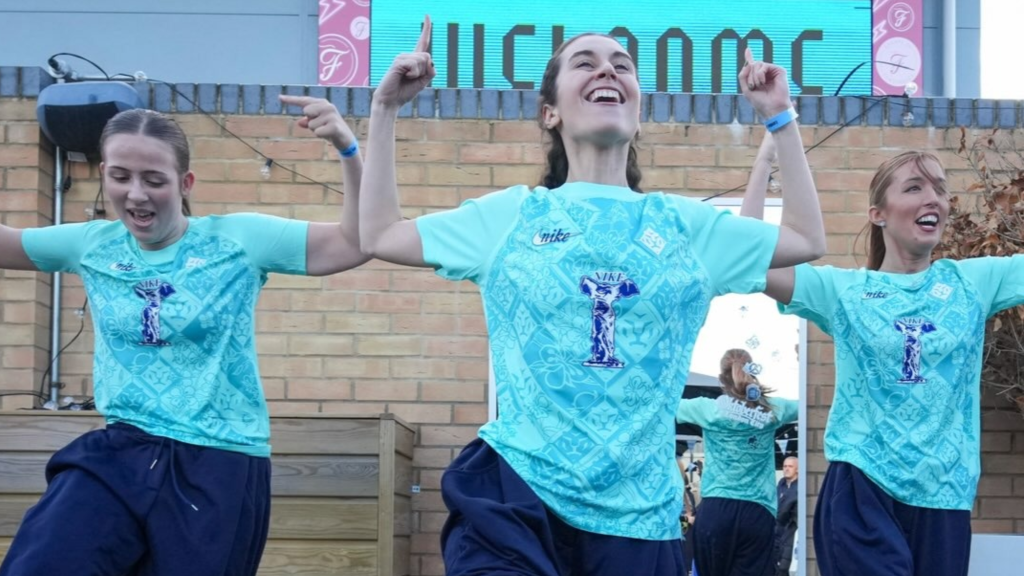
When Melvine Malard walks into the studio, a stone’s throw from Wembley, she makes sure to walk around the room, shaking everyone’s hand and introduces herself by name. “Hi, I’m Melvine,” she says, as though any of us could have been waiting for someone else, and as though I hadn’t picked out my favourite Adidas zip-up in the morning in hopes she would like it. There’s something immediately disarming about her, her energy is kind and warm and there isn’t a moment that passes where she isn’t smiling. We only have a short window together, but she is wholly present for it, and what she shares feels unguarded and sincere.
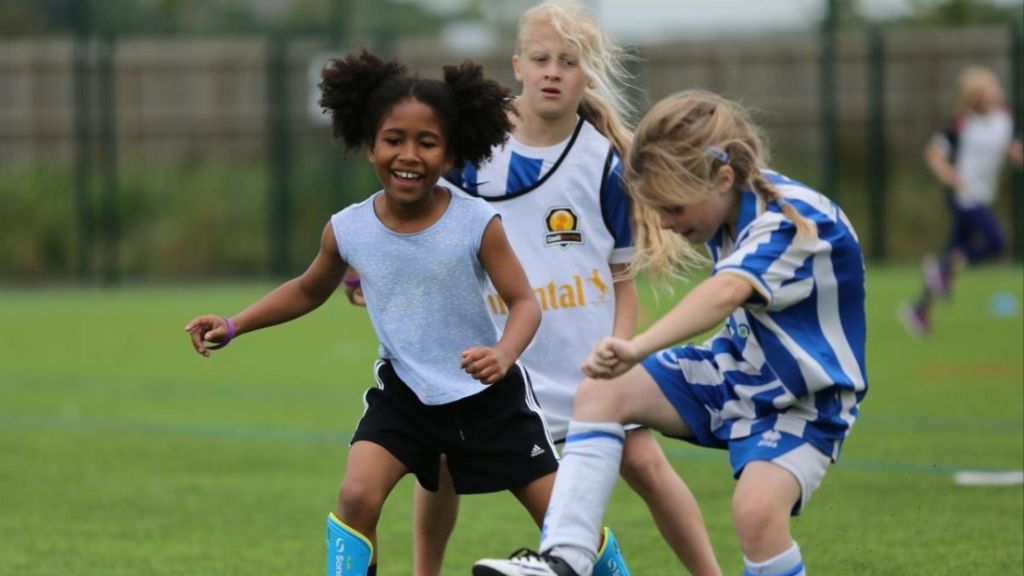
We speak of her childhood, growing up in Réunion, a small volcanic island in the Indian Ocean, some 420 miles east of Madagascar. She describes her youth as being full of all types of sport, from martials arts to handball with her sister. But it was in the park, among friends or “the boys”, that football found her.
FREE FOR SUBSCRIBERS
UNLOCK THE FULL STORY
Subscribe free to read this complete article, access every past issue, and see every role on the jobs board.
Across the league, sporting directors and head coaches are rethinking the traditional development pathways. The tactical evolution has been swift, demanding higher pressing intensity, positional fluidness, and transitional dominance that few could have anticipated even two seasons ago. Backroom analysis teams now log thousands of data points per fixture, assessing player recovery and spatial control under relentless pressure.
In parallel, the commercial momentum around the women’s game has created unprecedented opportunities. Matchday attendances continue to break domestic records, with grassroots initiatives actively fostering generational fan loyalty. Brands that previously hesitated to commit long-term sponsorships are now competing for flagship partnerships across broadcast, apparel, and training ground infrastructure.
Yet the true test lies in sustainable squad depth. As domestic calendars expand to accommodate continental competitions and international breaks, squad rotation is no longer a luxury—it is an existential requirement. Those clubs capable of balancing elite performance metrics with holistic athlete welfare will ultimately define the next decade of football leadership.